Mama Bear Graphics for Local Business Branding and Crafts
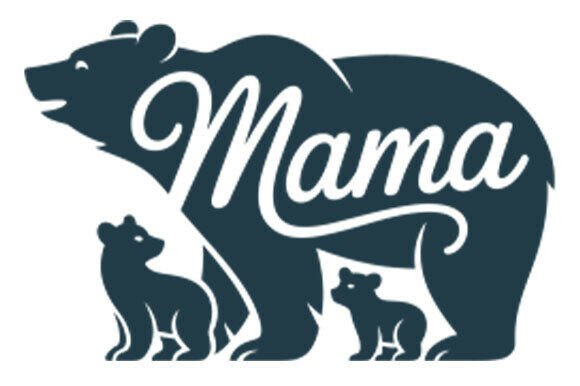
As an experienced brand designer, I often come across graphic design assets that either feel too generic or lack the personality needed to truly represent a local business. When I reviewed Mama Bear, Mom to Be, Mom Life, Mother s, I was immediately struck by its warmth and approachability—two essential qualities for any brand targeting parents, especially in the handmade and small business space.
A Warm and Playful Graphic Design Asset with Heart
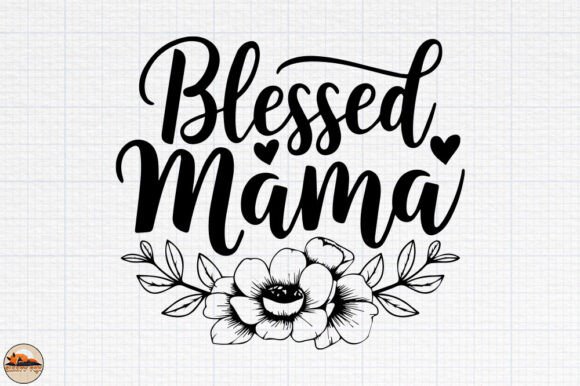
The Mama Bear asset brings a cozy, nurturing vibe that's perfect for businesses centered around motherhood, family, and community. Its playful yet soft style suggests a brand personality that’s caring, genuine, and relatable. This makes it ideal for local ventures such as a boutique baby store, a maternity clothing line, or even a family-owned bakery offering treats for Mother’s Day. The design doesn’t scream at you; instead, it invites you in with a gentle hug of visual comfort.
If your brand is rooted in handmade products, organic ingredients, or artisanal craftsmanship, this graphic will resonate well. It feels less corporate and more like something you’d find in a home-based shop, which is exactly what many small business owners are aiming for when building their brand identity.
Real-World Applications for Small Business Branding
One of the strengths of this graphic design asset is its versatility. Here are several practical ways it can be used in real local business projects:
- Product labels and packaging design: Add a touch of charm to jars of homemade jam, candles, or skincare products aimed at new mothers. The Mama Bear motif can serve as a central icon or subtle accent.
- Hang tags and thank-you cards: Use it to create personalized touches for customer appreciation, reinforcing the idea that your brand understands and values the journey of motherhood.
- Social media graphics and website banners: The image works beautifully in digital formats, especially on platforms like Instagram where visual storytelling matters most. It adds a personal and emotional layer to your marketing visuals.
- Promotional flyers and posters: Whether it's announcing a Mother’s Day sale or a new product launch, this graphic helps establish a clear visual hierarchy and draws attention naturally.
- Menu graphics and price lists: If your business serves food or has a gift catalog, using this asset can help create a friendly and inviting layout without overwhelming the content.
Supporting Better Brand Presentation
Using Mama Bear in your branding can lead to significant improvements in how your business is perceived:
- Stronger first impression: The design’s warm aesthetic instantly conveys care and thoughtfulness—key traits for building trust with customers.
- Better product recognition: A consistent use of the Mama Bear motif across all touchpoints can make your brand stand out on shelves or online listings.
- Clearer visual hierarchy: Its placement in designs can guide the eye toward key messaging, whether it’s a product name or a call-to-action.
- More consistent brand identity: Repetition of the same graphic across different materials reinforces brand recall and familiarity.
- Improved customer trust: In the world of crafts and handmade goods, a cohesive and thoughtful design speaks volumes about quality and authenticity.
- Professional packaging: Even if your product is simple, pairing it with high-quality, well-designed graphics elevates the overall presentation.
- Better shelf appeal: Especially in retail or craft fairs, the Mama Bear illustration can add a decorative edge that draws buyers closer.
- Stronger emotional connection: The theme of motherhood is universal and powerful. Using this asset taps into that deep-seated emotion effectively.
- Polished marketing visuals: From digital ads to printed brochures, the graphic supports a professional look while keeping things personal and heartfelt.
Where This Asset Shines Brightest
Here are some of the best scenarios where Mama Bear can enhance your brand’s presence:
- Product labels for handmade goods: Think of it as part of a baby skincare line or a line of natural teas for expecting moms.
- Packaging accents for Mother’s Day campaigns: Perfect for seasonal promotions, adding a festive and meaningful twist to your usual design language.
- Hero graphics on promotional banners: Highlight your special offers or new arrivals with a visual anchor that evokes emotion and relevance.
- Decorative brand elements in editorial design: Incorporate it subtly into newsletters, blog headers, or email templates to maintain a consistent and engaging tone.
- Printable inserts or stickers for boutique stores: These are great for adding personalization to orders or creating loyalty rewards.
- SVG design for custom web or Canva template overlays: The vector format allows for easy scaling and integration into both print and digital assets.
When to Use with Caution
While Mama Bear is a charming and versatile design asset, there are certain contexts where it might not be the best fit:
- Formal corporate branding: The asset is too whimsical for boardrooms or finance-focused brands.
- Very small labels: Details may get lost in tiny spaces, so test the PNG transparency and SVG scalability before finalizing.
- Crowded product packaging: If your label already has a lot going on, adding another decorative element could reduce readability.
- Ingredient-heavy layouts: For food or skincare products with long ingredient lists, the design should support clarity—not distract from it.
- Legal information areas: Avoid using it in sections where legal disclaimers or terms must be clearly legible.
- Low-contrast backgrounds: Ensure the colors and details remain visible against your chosen background.
- Luxury minimalist brands: The asset’s ornamental nature may clash with sleek, no-nonsense aesthetics.
- Competing with important text: Always consider the balance between the graphic and your message. Let the design complement, not overshadow, your content.
Practical Brand Designer Notes
Before integrating Mama Bear into your project, here are some tips to ensure it enhances your brand rather than hinders it:
- Test it on real packaging mockups: See how it looks on actual product sizes and materials to gauge its effectiveness in person.
- Check black and white usage: Many printers or packaging substrates don’t support color, so confirm it still works in grayscale.
- Preview it on small labels: Make sure the details remain clear and recognizable at smaller scales.
- Test it with your brand colors: Try overlaying the graphic onto your existing color palette to see how it interacts visually.
- Compare it with competitor packaging: Is it unique enough to stand out? Or does it risk looking too similar to others in your niche?
- Check print quality: If using it in physical form, ensure the resolution and file format (like PNG) hold up under printing conditions.
- Inspect SVG or vector editability: Since this is a digital product, verify that you can easily adjust elements within Adobe Illustrator or other design tools.
- Test it beside different font styles: Does it work well with serif fonts, sans-serif fonts, script fonts, or handwritten styles? Pairing is crucial for harmony in design.
- Confirm commercial licensing: As this is a digital design asset, always double-check the license to ensure it can be used for client work, product sales, or public-facing branding.
Final Thoughts for Local Business Owners
In today’s market, a strong brand identity isn’t just about looking good—it’s about feeling right. Mama Bear, Mom to Be, Mom Life, Mother s is one of those rare graphic design assets that manages to do both. It’s not just an illustration; it’s a mood, a story, and a symbol of connection that can breathe life into your branding, packaging, and promotional materials.
Whether you're designing a new line of crafts for expectant mothers or updating your graphics for a local boutique, this asset has the potential to elevate your brand’s emotional impact and visual appeal. Just remember to use it thoughtfully, balancing decoration with functionality, and always ensuring it aligns with your overall brand strategy.